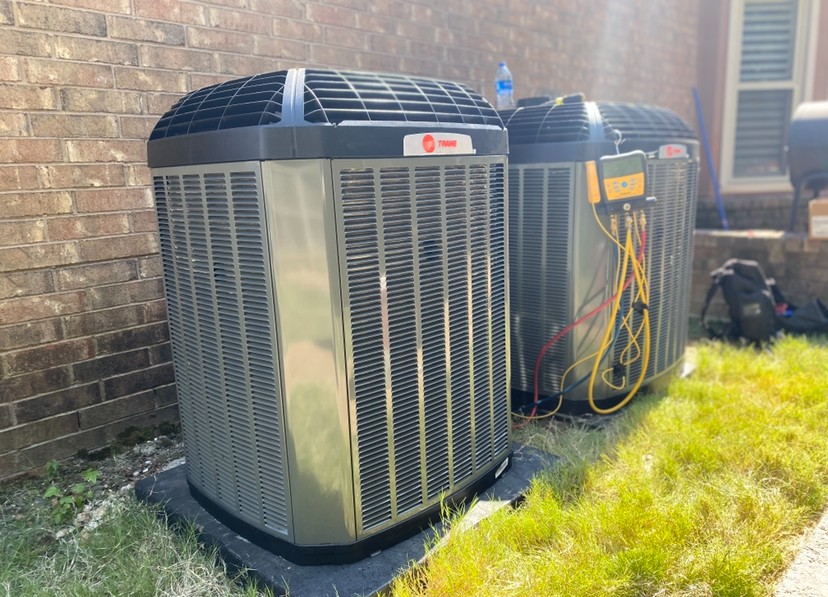

Your furnace plays a major role in keeping your home comfortable during cold Tennessee winters. When it works properly, you barely think about it. When it starts to struggle, you notice quickly. Uneven heating, rising energy bills, or constant repairs can leave you wondering if it is time for a replacement.
Knowing when to replace your furnace can save you money, improve comfort, and protect your home’s safety. This guide walks through the most common warning signs of a failing furnace and explains when replacement makes more sense than continued repairs.
Quick Answer: When Should You Replace Your Furnace?
If your furnace is over 15 years old and you are dealing with frequent repairs, inconsistent heating, or higher energy bills, replacement is often the most cost-effective long-term solution. Older furnaces lose efficiency, become less reliable, and can pose safety risks as they age.
How Long Does a Furnace Typically Last?
Most furnaces last between 15 and 20 years with proper maintenance. However, lifespan depends on several factors, including how often the system runs, whether it receives annual tune-ups, and how well it was installed.
If your furnace is approaching 15 years old, it is wise to start planning ahead. Waiting until the system fails completely often leads to rushed decisions and emergency replacements.
What Are the Signs Your Furnace Is Failing?
1. Uneven Heating Throughout Your Home
One of the most noticeable warning signs is uneven heating. Some rooms may feel warm while others stay cold, even when the furnace is running constantly.
This can point to declining system efficiency, airflow problems, or worn internal components. While minor airflow issues can sometimes be repaired, consistent temperature imbalance often signals a furnace nearing the end of its lifespan.
2. Rising Energy Bills Without Explanation
If your heating bills continue to increase but your usage habits have not changed, your furnace may be working harder to produce heat.
Older furnaces lose efficiency over time. As parts wear down, the system consumes more energy to deliver the same comfort. This leads to higher monthly costs and unnecessary strain on the unit.
3. Frequent or Costly Repairs
Needing an occasional repair is normal. However, when repairs become frequent, expensive, or repetitive, replacement deserves serious consideration.
If you find yourself calling for service multiple times in one heating season or replacing one major component after another, the cost can quickly add up. Investing that money into a new system often provides better reliability and peace of mind.
4. Strange Noises Coming From the Furnace
Furnaces should operate relatively quietly. Loud or unusual noises can signal serious internal issues.
Common warning sounds include:
- Banging or clanking from loose parts
- Squealing from worn belts or motors
- Rumbling after the system shuts off
These noises should never be ignored, especially in older systems.
5. Unusual or Persistent Odors
A brief burning smell when you first turn on the furnace for the season can be normal. However, persistent or unusual odors are not.
Musty smells may indicate dust buildup or mold concerns, while strong burning or electrical smells can point to wiring or insulation issues. These problems should be inspected immediately by a professional.
6. Yellow or Flickering Burner Flame
If your home uses a gas furnace, the burner flame should be steady and blue. A yellow or flickering flame can indicate incomplete combustion.
This may lead to carbon monoxide production, which is dangerous and potentially life-threatening. If you notice this issue, schedule professional service right away.
7. Short Cycling or Constant Running
Short cycling occurs when your furnace turns on and off frequently without completing a full heating cycle. This reduces efficiency, increases wear, and drives up energy costs.
In some cases, the issue can be corrected. In others, especially with older furnaces, replacement may be the most reliable fix.
When Does Furnace Replacement Make the Most Sense?
Age Combined With Performance Issues
If your furnace is over 15 years old and showing several of the warning signs listed above, replacement is usually the smarter long-term option. Older systems simply cannot match the efficiency or reliability of modern equipment.
Repair Costs Are Adding Up
A common guideline homeowners use is to compare repair costs to replacement value. If a major repair costs a significant portion of the price of a new system, replacement is often the better investment.
Instead of repeatedly paying for repairs, you gain a new furnace with warranty coverage and dependable performance.
Comfort and Reliability Matter
Your home should feel comfortable during cold weather without constant thermostat adjustments. New furnaces offer improved temperature control, quieter operation, and better airflow throughout the home.
For Tennessee homeowners, where winter temperatures can change quickly, having a reliable heating system is especially important.
Energy Efficiency Improvements
Older furnaces often operate at much lower efficiency levels than modern systems. New high-efficiency furnaces can reach 90 percent AFUE or higher.
This means more of the energy you pay for goes toward heating your home instead of being wasted. Over time, lower utility bills help offset the cost of replacement.
Why a Professional Evaluation Is Important
While these warning signs are helpful, a professional evaluation provides clarity. A trained technician can assess your furnace’s condition, safety, and performance accurately.
At Infinity Heating & Air, our team evaluates:
- System age and efficiency
- Safety concerns such as carbon monoxide risks
- Repair history and projected future costs
- Proper system sizing for your home
Our goal is to help you make an informed decision based on facts, not pressure.
What to Expect When Replacing Your Furnace
Proper System Sizing
Choosing the right furnace size is critical. An oversized or undersized system can lead to comfort problems and inefficiency. A professional load calculation ensures the system fits your home’s needs.
Modern Features and Options
Today’s furnaces offer advanced features such as variable-speed blowers, improved air filtration, and smart thermostat compatibility.
Professional Installation
Correct installation ensures safe operation, proper airflow, and long-term reliability. Professional installation also protects manufacturer warranties.
Ongoing Maintenance
Annual maintenance helps extend the life of your new furnace and keeps it operating efficiently for years to come.
Frequently Asked Questions About Furnace Replacement
How often should a furnace be replaced?
Most furnaces last 15 to 20 years. Replacement timing depends on performance, repair history, and efficiency.
Is it better to replace a furnace before it breaks?
Yes. Planned replacement avoids emergency situations and allows time to choose the best system for your home.
Can replacing my furnace lower energy bills?
Yes. Modern furnaces are significantly more efficient and can reduce heating costs over time.
Is a failing furnace dangerous?
It can be. Older or damaged furnaces may produce carbon monoxide or experience electrical issues that pose safety risks.
Your Expert Team
A failing furnace does not always stop working all at once. Warning signs often appear gradually, giving homeowners time to plan ahead. Paying attention to uneven heating, rising bills, frequent repairs, and unusual noises can help you avoid unexpected breakdowns.
If you are unsure whether repair or replacement is the right choice, Infinity Heating & Air is here to help. Our experienced technicians provide honest evaluations and reliable solutions so you can stay comfortable and confident throughout the heating season.
Contact Infinity Heating & Air today to schedule your furnace evaluation and take the next step toward a warmer, more efficient home.